Every Single Unit Goes Through Waterproof Immersion Test
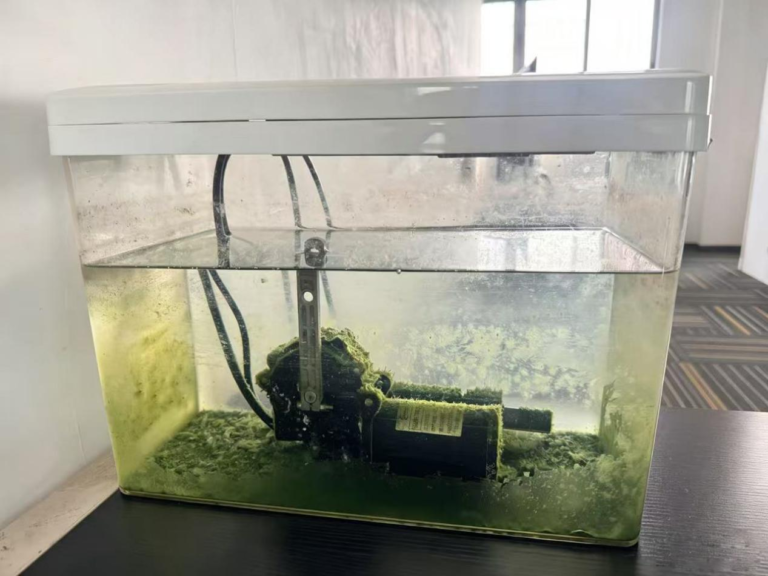
The remote controllers of our company are primarily used in outdoor work scenarios, enduring harsh conditions such as rain exposure, moisture immersion, and splashing. If the waterproofing of the main unit fails to meet standards, water vapor may seep into the internal circuit board, leading to short circuits, malfunctioning buttons, or even complete device failure. This not only increases post-sales repair workload but also triggers customer complaints.
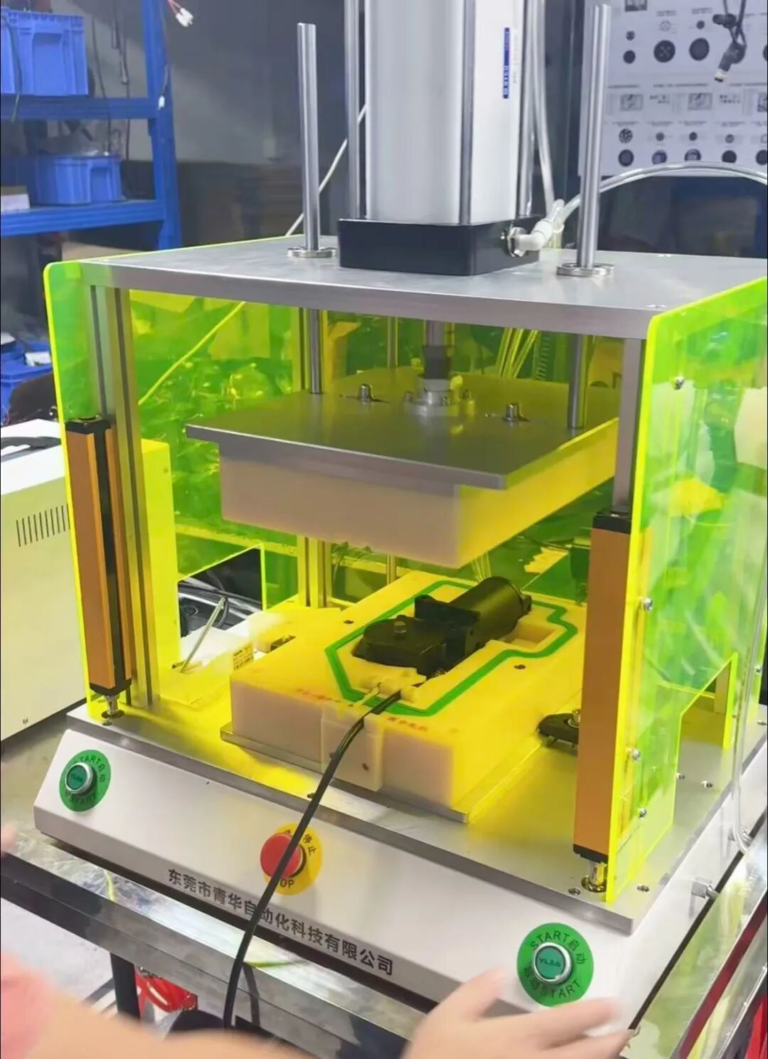
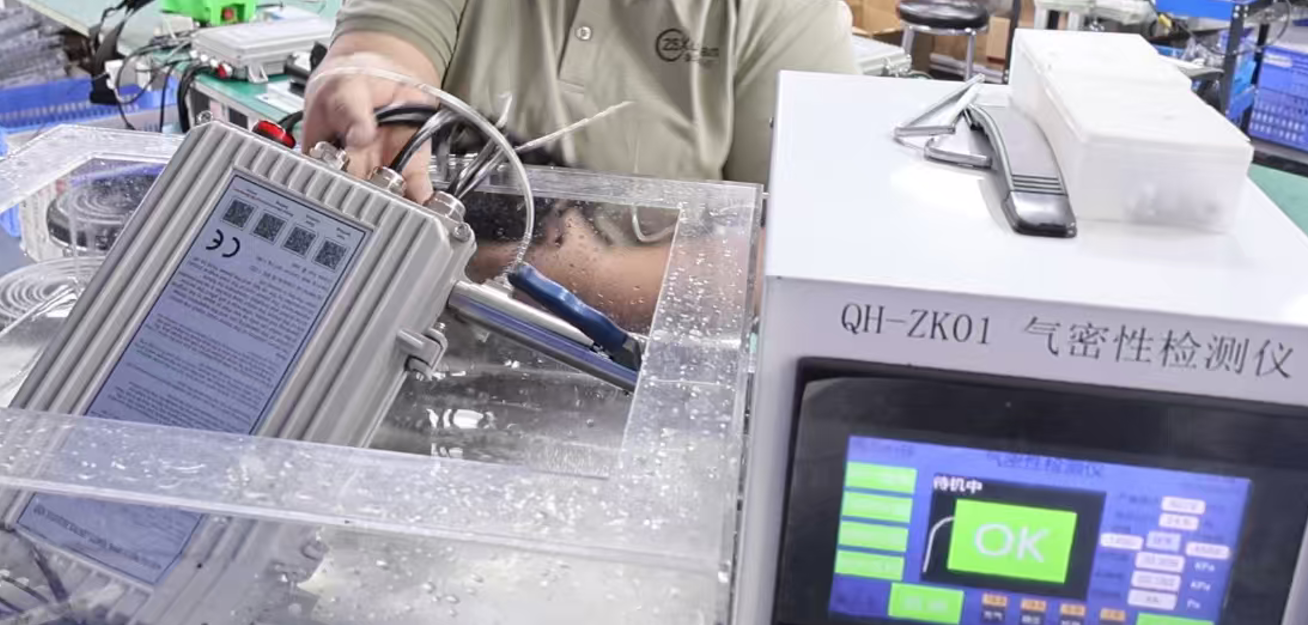
To prevent unqualified waterproof products from entering the market from the source, our factory has added an air tightness tester to conduct waterproof performance testing on each factory remote control host. After the equipment is put into use, all finished remote control hosts undergo 100% full inspection: the operator places the product to be inspected at the testing station, and the equipment detects and determines the leakage status in real time (OK/NG); Qualified products are transferred to the packaging process, and defective hosts are uniformly handed over to maintenance personnel for disassembly and re inspection. Leakage problems such as shell gaps and seal ring assembly are checked, and after repair is completed, they are sent for re inspection.
At the same time, equipment inspection and regular calibration work are also implemented to prevent equipment accuracy deviation from leading to missed inspections and misjudgments. The waterproof sealing of products is strictly controlled from the factory stage, effectively reducing after-sales problems caused by water ingress faults.